Poland DMARC & MTA-STS Adoption Report 2026

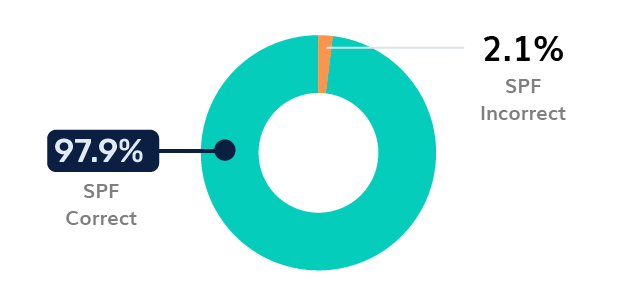
In 2026, Poland has emerged as the top regional target for cyberattacks, with state institutions facing an average of 3,188 attempts per week, a 120% increase over previous years. Despite a 98.9% SPF correctness rate, the nation remains uniquely vulnerable due to an “enforcement gap.”

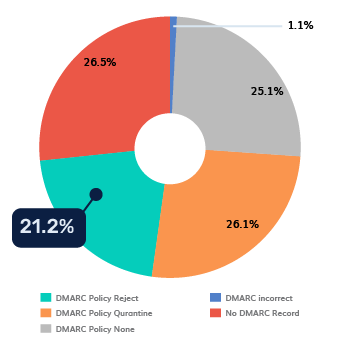
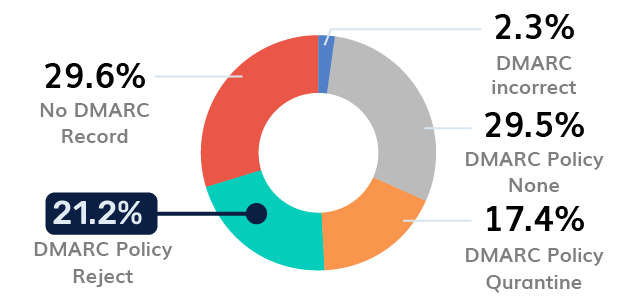
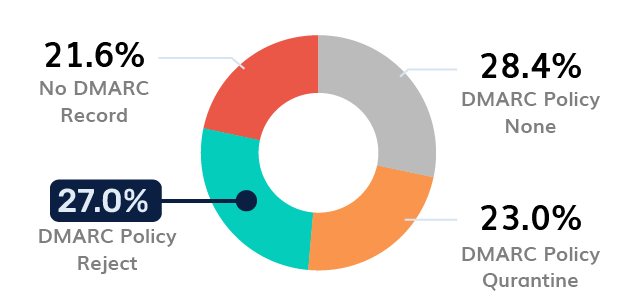
While Polish IT teams are disciplined at listing authorized senders, they are hesitant to block unauthorized ones. Only 21.2% of domains enforce a DMARC “Reject” policy, leaving nearly 80% of the digital landscape in a passive monitoring state. This vulnerability is being exploited by a new wave of AI-driven phishing, which has seen a 400% rise in success rates in 2025-2026. Attackers now use Large Language Models (LLMs) to craft perfect Polish-language lures in under five minutes, bypassing traditional “bad grammar” filters.

Report Request - Poland DMARC Adoption

"*" indicates required fields

This field is for validation purposes and should be left unchanged.
Name*

At a Glance: Key Findings Across Poland

Poland SPF Square

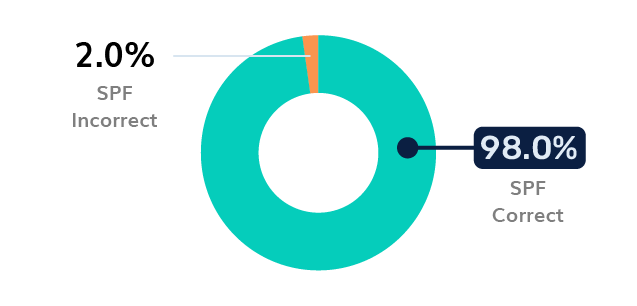
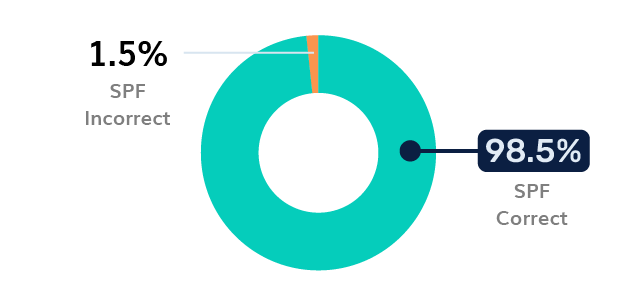
SPF: 98.9% correct – A near-perfect implementation rate, showing high awareness of basic sender authorization.

Poland DMARC

DMARC: 26.5% of domains have no record, leaving them entirely open to spoofing. Only 21.2% enforce a “reject” policy.

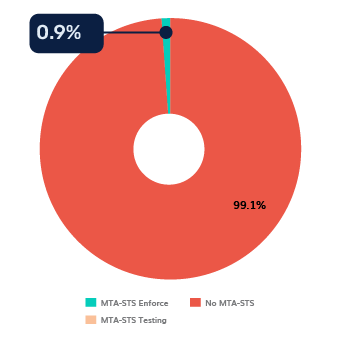
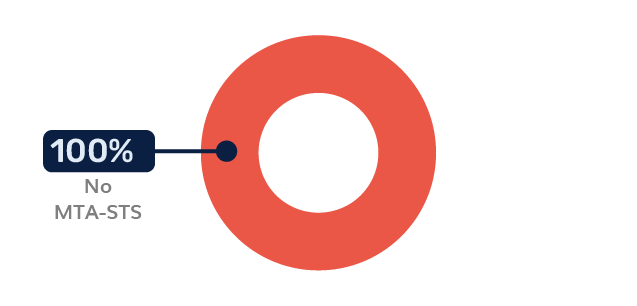
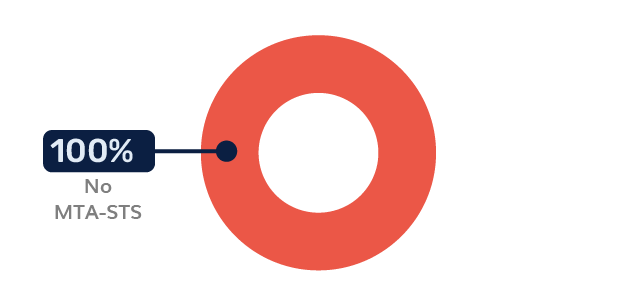
MTA-STS: A staggering 99.1% lack adoption, leaving almost all email traffic vulnerable to man-in-the-middle (MiTM) attacks.

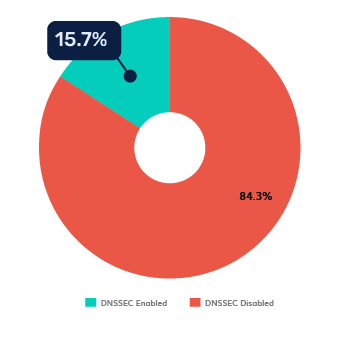
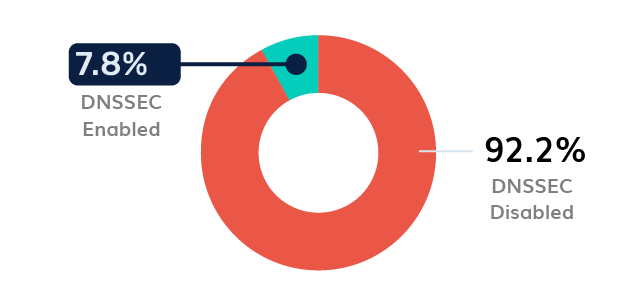
DNSSEC: 15.7% enabled – While higher than some neighbors, the vast majority of domains remain unprotected against DNS hijacking.

Sector-by-Sector Analysis

1.  Banking/Financial: High Awareness, Critical Gaps

As the primary target for financial fraud, Polish banks show the highest DMARC enforcement among all sectors, yet they remain uniquely vulnerable to encryption-based attacks.

Metric Status
SPF 98.0% correct
DMARC 40.8% enforce “reject” (Highest in Poland)
DMARC Gap 16.3% have no record
MTA-STS 0% adoption (100% missing)
DNSSEC 16.3% enabled

Threat & Risk Analysis

  • SWIFT & Wire Fraud: With a 0% MTA-STS adoption, trillions in transactional data travel via unencrypted paths. Attackers use “Downgrade Attacks” to strip encryption, intercepting SWIFT confirmations to reroute high-value transfers.
  • AI-Enhanced Phishing: 2026 data shows attackers using AI to clone the communication styles of Polish bank executives, exploiting the 16.3% gap where no DMARC record exists to launch perfectly spoofed internal directives.

The PowerDMARC Solution

  • Automated MTA-STS Hosting: PowerDMARC forces all inbound email into encrypted TLS 1.2+ channels, eliminating the risk of man-in-the-middle (MiTM) interception.
  • Fraud-Ready Enforcement: We move banks safely to p=reject using real-time threat intelligence to identify authorized third-party senders, ensuring legitimate mail is never blocked while killing spoofing.

2. Healthcare: Patient Privacy at Risk

With the increasing digitalization of patient records in Poland, the healthcare sector is a prime target for identity thieves and ransomware.

Metric Status
SPF 100% correct
DMARC 21.2% enforce “reject”
DMARC Gap 29.6% lack DMARC entirely
MTA-STS 99.2% missing
DNSSEC 22.0% enabled (Sector Leader)
Healthcare DMARC Adoption - Poland

Threat & Risk Analysis

  • Ransomware Entry Points: Healthcare is Poland’s most attacked sector in early 2026. Attackers spoof hospital domains to send malicious “Patient Referral” attachments. The 29.6% DMARC gap makes these emails indistinguishable from real ones.
  • Data Exfiltration: Without DNSSEC (78% missing), hackers can hijack medical DNS records to redirect portal traffic to credential-harvesting sites, compromising sensitive EHR data.

The PowerDMARC Solution

  • HIPAA-Compliant Managed DMARC: We provide a streamlined path to full enforcement, safeguarding patient trust and meeting international data protection standards.
  • Hosted BIMI and DNSSEC Checker: By enabling DNSSEC and visual BIMI icons, hospitals provide a “seal of authenticity” in the inbox, helping patients recognize official health alerts.

3. Government: Leading in SPF, Lagging in Enforcement

Official communications carry the weight of the state. While SPF is perfect, the lack of MTA-STS is a notable gap in national security.

Metric Status
SPF 100% correct
DMARC 18.4% enforce “reject”
DMARC Policy 46.5% at “quarantine”
MTA-STS 0% adoption
DNSSEC 18.4% enabled

Threat & Risk Analysis

  • Geopolitical Sabotage: As a top regional target for state-sponsored actors, the Polish government faces nearly 3,200 attacks per week. The 46.5% “quarantine” rate means spoofed emails still reach the “Junk” folder, where they can still be clicked during a crisis.
  • Disinformation Campaigns: The lack of MTA-STS allows adversaries to intercept and modify official state communications in transit, potentially spreading panic through altered disaster warnings.

The PowerDMARC Solution

  • National-Scale Governance: PowerDMARC’s multi-tenant dashboard allows central agencies to monitor and secure thousands of subdomains (e.g., .gov.pl) from a single pane of glass.
  • Transition to Reject: We automate the move from “quarantine” to “reject,” ensuring that fraudulent state emails are dropped at the gateway, never reaching the citizen’s inbox.

4. Education: Complex Networks, Simple Vulnerabilities

Universities handle vast amounts of intellectual property but show the lowest enforcement rates for DMARC.

Metric Status
SPF 98.7% correct
DMARC 19.5% enforce “reject”
DMARC Policy 27.3% at “none” (No protection)
MTA-STS 98.7% missing
DNSSEC 7.8% enabled

Threat & Risk Analysis

  • IP Harvesting: Universities are “IP goldmines.” Attackers exploit the 27.3% “none” policy to spoof faculty emails and steal research data or student credentials via fake login portals.
  • Credential Stuffing: Low DNSSEC (7.8%) leaves campus portals vulnerable to cache poisoning, where students are redirected to fraudulent sites to “pay tuition” or “reset passwords.”

The PowerDMARC Solution

  • SPF Flattening: University networks often exceed the 10-DNS lookup limit due to numerous departments. PowerDMARC’s PowerSPF “flattens” these records, ensuring email deliverability is never broken by technical limits.
  • Centralized Visibility: We provide granular reporting that identifies exactly which department or third-party tool is failing authentication.

5. Energy: Protecting Critical Infrastructure

The energy sector shows strong SPF implementation, but the lack of DMARC enforcement poses a risk to supply chain security.

Metric Status
SPF 97.9% correct
DMARC 23.4% enforce “reject”
DMARC Gap 34.1% lack DMARC entirely
MTA-STS 95.7% missing
DNSSEC 14.9% enabled

Threat & Risk Analysis

  • Phishing-to-OT Pivots: Recent 2026 attacks on the Polish grid began with insecure edge devices. Attackers use spoofed “Critical Equipment Alerts” to trick engineers into clicking links that bridge the gap between corporate email and physical SCADA systems.
  • Supply Chain Poisoning: With 34.1% lacking DMARC, attackers impersonate parts suppliers to send fraudulent invoices or malicious firmware updates.

The PowerDMARC Solution

  • Critical Infrastructure Hardening: We integrate DMARC enforcement with hosted MTA-STS to ensure that every operational email is both authenticated (is it really from the grid?) and encrypted (can anyone read it?).
  • Threat Intelligence Integration: Our platform maps IP addresses to known malicious actors, providing an early warning system for energy providers.

6. Media: Gatekeepers of Public Discourse

Media outlets are highly visible; weak authentication here allows attackers to spread misinformation via spoofed official channels.

Metric Status
SPF 98.6% correct
DMARC 27.0% enforce “reject”
DMARC Gap 21.6% have no record
MTA-STS 97.3% missing
DNSSEC 5.4% enabled

Threat & Risk Analysis

  • Deepfake News Distribution: Low DMARC enforcement (27.0% reject) allows attackers to spoof a reputable news outlet’s domain to send “breaking news” alerts that contain misinformation or malware.
  • Source Compromise: A 97.3% MTA-STS gap means journalists’ private communications with sensitive whistleblowers are vulnerable to network-level eavesdropping.

The PowerDMARC Solution

  • Source Integrity: By enforcing encrypted transport paths, we protect the confidentiality of journalistic sources.
  • BIMI for Brand Trust: We help media outlets display their official logo in the inbox, preventing “byline spoofing” and ensuring the public knows the news is genuine.

7. Telecommunications: Connecting the Nation Securely?

Telecoms are the backbone of digital communication, yet their enforcement rates suggest a reactive security posture.

Metric Status
SPF 98.5% correct
DMARC 16.7% enforce “reject”
DMARC Gap 31.8% missing records
MTA-STS 0% adoption
DNSSEC 13.6% enabled
BIMI Logo

Threat & Risk Analysis

  • SIM-Swap & Billing Fraud: Scammers spoof carrier domains to send “Overdue Invoice” alerts. The 31.8% DMARC gap makes it trivial for attackers to harvest subscriber credentials and perform SIM-swap attacks.
  • Network Interception: 0% MTA-STS adoption means telecom-to-telecom traffic is often unencrypted, a massive risk for a sector that serves as the nation’s digital backbone.

The PowerDMARC Solution

  • SIM-Phish Slamming: We enforce p=reject across all carrier domains, making it impossible for scammers to use the carrier’s own name against its subscribers.
  • TLS Reporting (TLS-RPT): We provide automated insights into why encryption might be failing across the network, allowing telecoms to fix delivery issues before they impact customers.

8. Transport: Moving Toward Security

Logistics companies are making progress, but a significant portion remain exposed to spoofed invoices.

Metric Status
SPF 98.1% correct
DMARC 14.3% enforce “reject”
DMARC Gap 45.7% have no record
MTA-STS 0% adoption
DNSSEC 19.0% enabled
BIMI Logo

Threat & Risk Analysis

  • Invoice Manipulation: Logistics relies on “just-in-time” data. The 45.7% DMARC gap allows attackers to send spoofed invoices to shipping partners, changing bank details to redirect massive freight payments.
  • Cargo Interception: Since 0% use MTA-STS, cargo manifests sent via email are unencrypted. Attackers can monitor these emails to coordinate physical theft of high-value goods in transit.

The PowerDMARC Solution

  • Fraud-Proof Logistics: PowerDMARC secures the entire supply chain by ensuring that every manifest and invoice is verified and encrypted.
  • One-Click Hosting: We provide a “zero-maintenance” solution for logistics companies, allowing them to focus on moving goods while we handle the complexities of DNS and encryption protocols.

Leaders, Laggards, and Lessons

SectorSPF CorrectDMARC RejectMTA-STS ValidDNSSEC Enabled
Finance98.0%40.8%0.0%16.3%
Media98.6%27.0%2.7%5.4%
Healthcare100.0%21.2%0.8%22.0%
Energy97.9%23.4%4.3%14.9%
Education98.7%19.5%1.3%7.8%
Government100.0%18.4%0.0%18.4%
Telecom98.5%16.7%0.0%13.6%
Transport98.1%14.3%0.0%19.0%

Under the Hood: Four Structural Weaknesses

1. The “Compliance Trap” of p=none

While Polish DMARC adoption is growing, many Polish domains remain at p=none. This is a “monitoring-only” state that observes attacks but cannot stop them.

Expert insight:

“A policy of p=none is like installing a security camera but leaving the front door unlocked. You can watch the burglars enter, but you are powerless to stop them. Poland’s foundation is set, but the job is only half-done until the policy shifts to reject.”

Maitham Al Lawati, CEO, PowerDMARC

Expert insight:

“Large firms often break their own security as they grow. Adding a new marketing tool can push you over the limit, causing critical invoices to land in spam. SPF Flattening is now a requirement for operational stability.”

Yunes Tarada, Service Delivery Manager, PowerDMARC

2. SPF Complexity and the 10-Lookup Limit

With 98.9% SPF adoption, the risk has shifted from having a record to managing it. Polish enterprises often break their own security by exceeding the 10-DNS-lookup limit when adding third-party tools (Salesforce, Hubspot, etc.).

3. MTA-STS: The Encryption Blind Spot

With 99.1% of domains lacking MTA-STS, Poland has a near-total blind spot regarding transport security. This allows “Downgrade Attacks” where criminals force servers to transmit sensitive emails in plain text.

Expert insight:

“Without MTA-STS, it is trivial for an attacker to strip away security and read corporate communications in transit. This is a primary risk for any entity handling sensitive EU citizen data.”

Ayan Bhuiya, Operations & Delivery Shift Lead, PowerDMARC

Expert insight:

DNS hijacking can shatter decades of brand trust in minutes. DNSSEC is the guardian of digital identity, ensuring your customers connect with the real entity, not a criminal clone. It’s a fundamental layer of brand reputation management.”

Ahona Rudra, Marketing Manager, PowerDMARC

4. DNSSEC: The Weak Foundation

Despite leading some neighbors with 15.7% adoption, the majority of Polish domains are unprotected against DNS hijacking, which allows attackers to redirect entire domain flows to rogue servers.

Global Benchmarking: Poland in Context

Poland ranks as a “Passive Leader”: high on foundational visibility (SPF), but trailing on active, enforced defense. While its SPF accuracy is world-class, its enforcement rates tell a story of “security on paper” rather than security in practice.

CountrySPF CorrectnessDMARC “Reject”MTA-STS AdoptionDNSSEC Enabled
Poland98.9%21.2%0.9%15.7%
Australia92.3%46.7%5.8%6.8%
Sweden85.0%29.9%2.9%25.9%
Netherlands70.0%23.2%0.9%37.7%
Italy91.0%16.7%1.0%3.5%
Japan95.0%9.2%0.5%16.4%

Poland in the Global Spotlight: 2026 Analysis

While Poland excels in the “foundational” phase of DNS configuration, it faces a significant Enforcement Gap compared to its global peers.

1. The SPF Perfection vs. The Enforcement Hesitation

Poland leads this global group with a 98.9% SPF correctness rate. This suggests that Polish IT departments are among the most disciplined in the world at maintaining authorized sender lists.

However, SPF is a “passive” check. To see the impact of “active” defense, we look at Australia (46.7% Reject). Australia’s lower SPF score (92.3%) suggests a more complex environment, yet they are nearly 2.5x more likely to block a spoofed email than a Polish firm (21.2% Reject). In 2026, Poland is technically accurate but strategically vulnerable.

2. The MTA-STS “Encryption Chasm”

A critical vulnerability for Poland is the 0.9% MTA-STS adoption. While Italy has reached 1.0% and Australia leads at 5.8%, Poland remains almost entirely exposed to Man-in-the-Middle (MiTM) attacks.

  • The Polish Risk: Because 99.1% of Polish domains lack MTA-STS, attackers can intercept business communications (such as invoices or sensitive contracts) by “downgrading” the connection to unencrypted plaintext.
  • The Global Context: Even the Netherlands, which matches Poland’s 0.9% adoption, compensates with a massive 37.7% DNSSEC rate, providing a secondary layer of DNS integrity that Poland (15.7%) currently lacks.

3. DNSSEC: The Mid-Tier Plateau

Poland’s 15.7% DNSSEC adoption is respectable, outperforming Australia (6.8%) and Italy (3.5%). This means Poland is better protected against DNS Cache Poisoning (redirecting users to fake websites) than some of its peers. However, it still trails “Digital First” nations like Sweden (25.9%) and the Netherlands (37.7%), where DNSSEC is a mandated pillar of national infrastructure.

PowerDMARC: Elevating Poland to Global Leadership

To transition Poland from “Technically Correct” to “Fully Protected,” PowerDMARC addresses the specific gaps identified in the 2026 data:

Polish GapPeer BenchmarkPowerDMARC Solution
Reject Rate (21.2%)Australia (46.7%)AI-Powered RUA Mapping: We identify legitimate Polish domestic senders (local ISPs/CRMs) to move you safely to p=reject without breaking your mail flow.
MTA-STS (0.9%)Australia (5.8%)Hosted MTA-STS: We eliminate the need for Polish firms to manage complex policy files, enabling instant encryption for all inbound/outbound mail.
DNSSEC (15.7%)Netherlands (37.7%)DNS Integrity Monitoring: We provide real-time alerts if your DNS records are tampered with, closing the gap between Poland and the EU’s top tier.

Conclusion: From Metrics to Action

The 2026 data confirms that Poland has laid a flawless floor (SPF), but the structure remains unfinished and exposed to the elements. To move from being a “Passive Leader” to a “Resilient Defender,” Polish organizations must prioritize three tactical shifts:

Move Beyond Observation: High SPF rates are useless if attackers can still spoof your domain. Use Hosted DMARC to navigate the transition from p=none to p=reject, ensuring your legitimate business traffic, crucial for Poland’s booming e-commerce and logistics sectors, is never interrupted.

Future-Proof Your DNS: Polish IT stacks are becoming increasingly complex. Hosted SPF (SPF Flattening) is essential to prevent the “10-lookup limit” errors that frequently cause legitimate government and corporate emails to be wrongly flagged as spam.

Regulatory Readiness: Supporting compliance with PIPEDA, Digital Charter Implementation Act (Bill C-27), and PCI-DSS 4.0 by simplifying anti-phishing protection and securing sensitive email communications.

PowerDMARC Perspective

“Poland has achieved a level of foundational SPF discipline that is genuinely world-class, surpassing even the most mature digital economies in Western Europe. However, this high technical proficiency has created a dangerous paradox: Polish organizations are excellent at identifying themselves (SPF), but hesitant to protect themselves (DMARC Enforcement).

As Poland solidifies its role as the digital engine of Central Europe, the ‘Enforcement Gap’ remains its most significant multi-billion złoty vulnerability. The imperative for 2026 is to transition from a culture of monitoring to a culture of active defense. By aligning with the Polish National Cybersecurity Strategy and moving beyond simple visibility, Polish entities can transform their email domains from passive targets into hardened, trusted communication channels that set a new security standard for the entire CEE region.”

Secure the Future of Poland’s Digital Borders

Poland’s near-perfect SPF adoption proves that the country’s IT administrators are among the most capable in the world; they simply need the mandate and the tools to flip the switch on enforcement.

Don’t allow your domain to remain only paper-protected; a sophisticated system that watches a breach happen but is powerless to stop it. Secure your reputation and your data before the next major cross-border phishing campaign targets your industry.

Contact us at PowerDMARC to start your journey from monitoring to absolute enforcement.